



Voices of the BCA is a member spotlight series sharing the perspectives, experiences, and insights of chiropractors across the UK.
In this edition, we hear from Jodie Hudson, who reflects on the experiences that have shaped her approach to practice. Championing clear, compassionate communication, she shares why helping patients feel genuinely heard sits at the heart of her work, and how transparency and education can help challenge misconceptions about chiropractic.
What is one experience you have had that genuinely changed how you practise, and why?
When I first qualified, I was keen to experience different styles of practice and learn as much as possible from the profession around me. Those early years taught me a great deal, but they also prompted me to think more deeply about the kind of chiropractor I wanted to be.
I found myself reflecting on what patients value most. Was I taking the time to celebrate how far they had come? Had I remembered to ask about the family member who was unwell, whether they got the job, or how the new mum who had been feeling overwhelmed was coping?
I realised that some of the moments patients appreciated most were when they were feeling recognised as a person.
We can learn the right questions to ask and the right things to say to help patients feel valued. What I came to understand, however, is that saying the right things is not always the same as giving someone the time and space to feel genuinely heard.
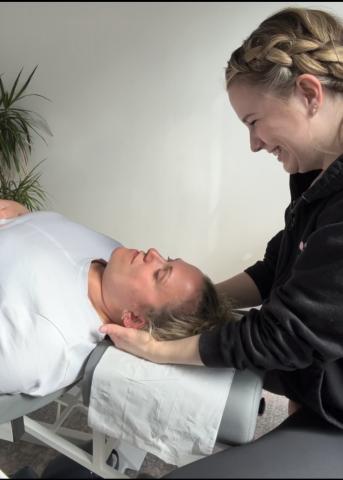
What is a small communication habit that has made the biggest difference to your patient relationships?
The communication habit that has made the biggest difference is taking the time to explain what I have found in an examination. The strong, the adaptable and the slightly annoying bits and what that actually means in simple, understandable language.
I carry out a thorough examination, but I do not want the findings to remain something only I understand. I talk patients through what I have assessed, demonstrate it using visual images, anatomical models or videos when helpful and encourage them to ask questions. Being thorough does not have to mean using complicated medical language.
Importantly, I do not focus only on the areas where someone is struggling. I also explain the positive parts of their examination, where they are moving well, where they are strong and where their body is already adapting and thriving.
An examination should not leave somebody feeling as though they have received a list of everything that is “wrong” with them.
We can sometimes worry that giving patients too much information will overwhelm or confuse them. In my experience, the opposite is often true. When someone understands what may be contributing to their symptoms, what pain can mean and why we are recommending a particular approach, much of the fear and uncertainty begins to reduce.
I am particularly conscious of the language I use. I never want somebody to leave believing that their body is damaged, fragile or that they should be afraid to move. Their pain is real and deserves to be taken seriously, but I can acknowledge that, while also helping them understand that their body is incredibly strong and adaptable.
Rehabilitation is an important part of this. I do not want to simply give someone a list of exercises without context. I explain why we have chosen a particular movement, what we are hoping to improve and how it relates to their symptoms and personal goals. This helps rehabilitation feel purposeful and gives patients an active role in their recovery rather than making them feel that improvement depends entirely on treatment.
Taking the time to explain things properly helps patients feel at ease from the beginning. More importantly, it gives them greater confidence in their body and helps them make informed decisions about their own care.

How do you handle misconceptions about chiropractic care when talking to patients or the public?
I try not to become defensive, because I understand where many of the misconceptions come from.
Chiropractors are often portrayed as people who provide a quick “crack” and little else. That is frustrating because chiropractic care includes detailed assessment’s, a variety of hands-on techniques, rehabilitation, movement advice and pain education. Dramatic adjustment videos may attract attention, but they rarely show the clinical reasoning, communication and wider care surrounding that moment.
Chiropractors assess the individual, discuss what we have found, use a variety of techniques where appropriate, and incorporate rehabilitation, movement and education. Treatment is adapted to the person, and no technique is performed without their understanding and consent.
Patients also ask about the difference between chiropractors and osteopaths, and sometimes whether one is “better” than the other. I explain that the professional titles do not necessarily tell them everything about how an individual practitioner will work. There can be considerable overlap between the two professions, chiropractors and osteopaths sometimes work alongside one another, learn together and complete the same continuing professional development. What matters is finding a suitably qualified practitioner whose approach, experience and communication style are right for that patient.

Many of the patients I meet have come through a personal recommendation and can come after previously feeling apprehensive about chiropractic care. I ask what happened, listen to what they are worried about and explain what they can expect from me. Sometimes the most important reassurance is simply telling them that they remain in control and that we will not use an approach they are uncomfortable with.
Misconceptions are changed by being transparent, listening to why someone feels uncertain and consistently showing them what thoughtful, individualised chiropractic care can look like.
Voices of the BCA is a regular series where BCA members share their experiences of practice, patient care, and life as a chiropractor. If you are a BCA member and would like to take part, please contact the BCA communications team.