


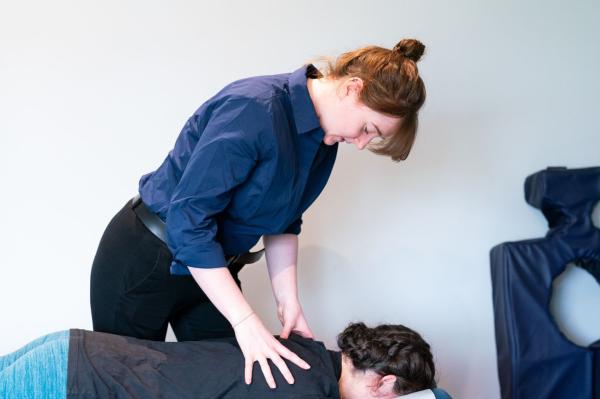
What do we mean by self-efficacy?
In persistent pain, self-efficacy refers to how confident someone feels in their ability to cope and self-manage symptoms, stresses or limitations associated with their painful condition. It is not the same as simply having a positive attitude, nor does it mean expecting someone to “push through” pain. It is more about whether they feel capable of managing their condition and adapting when things change.
Higher pain self-efficacy has been linked with lower disability, better engagement with pain-management advice, maintaining everyday activities, returning to work and better treatment outcomes.
People with higher self-efficacy have also reported better physical function, greater participation in social roles and less interference from pain, alongside lower levels of anxiety, depression, fatigue and sleep disturbance.
Importantly, self-efficacy may influence the relationship between pain and disability, meaning the intensity of someone’s pain does not necessarily determine how much it restricts their life.
For someone living with chronic low back pain, repeated flare-ups, unsuccessful treatment, conflicting advice, fear of causing further damage or difficulty keeping up with exercise can all negatively impact confidence. Over time, people may become less certain about what is safe and start avoiding activities they previously managed without much thought.
How do we build self-efficacy?
Building self-efficacy should be considered an important part of pain management, as good advice may have limited value if the person does not feel confident enough to act on it.
It can also be useful to consider how self-efficacy is assessed. The Pain Self-Efficacy Questionnaire (PSEQ) is a short questionnaire that looks at how confident someone feels carrying out activities despite pain. It can help identify patients with particularly low confidence and provide another way to monitor progress alongside more familiar measures such as pain and disability. Importantly, improvement may then be recognised even when pain itself has not changed substantially.
How that confidence is built is less clear. Evidence on the best ways to improve self-efficacy remains limited, and it is unlikely to come from one part of care alone. The patient-clinician relationship matters, with good communication and a strong therapeutic relationship linked to better self-efficacy and outcomes in persistent pain.
Within chiropractic care, a strong working alliance between clinician and patient has been described as being built on trust, attentiveness to the patient’s needs and preferences, and agreement on the goals of care and how they will be achieved. Qualitative research also suggests that this may improve engagement with treatment and help patients feel more involved in their own care.
Self-efficacy in practice
One patient I worked with had experienced low back pain for around two years and had spent more than a year within the NHS musculoskeletal pathway, including input from the pain clinic and spinal consultants. They had been left with the impression that there was unlikely to be much further improvement and, as someone in their mid-20s, felt that their pain had not been taken seriously because of their age.
By the time they attended the clinic, the impact extended well beyond pain. They had stopped exercising, become less social and preferred to work from home because they were worried about aggravating their symptoms. They were also increasingly concerned about what the pain might mean for their future.
Over the course of their treatment, the focus was on building confidence and returning to the activities they had been avoiding, which involved understanding why they worried about certain movements and finding practical ways to challenge those concerns. As their confidence grew, they started to come up with their own ideas for managing flare-ups or adapting activity rather than looking to me for an answer each time. They reached a point where they went into the office more frequently, joined a running club, and became more active again. They have now been discharged from care and, although they are not completely pain-free, there have been significant improvements in the frequency and intensity of their pain, as well as in how confidently they are able to manage it.
Building self-efficacy may be less about one specific intervention and more about how care is delivered. In chiropractic practice, patient-centred care, shared decision-making and active self-management all create opportunities to build confidence over time. This may include setting meaningful goals, progressing activity at a manageable level and recognising improvements in function as well as pain. Hands-on treatment can still have a role within this approach, particularly when it helps someone manage symptoms while they work towards becoming more active and confident outside the treatment room. The key is to use these approaches deliberately, so that care supports increasing confidence and independence rather than reliance on the clinician.
Empowerment does not mean expecting patients to manage alone. It means giving them the support and understanding they need to take an active role in their care. For someone living with chronic low back pain, progress may not always mean becoming pain-free; it may be returning to something important, feeling less worried when symptoms increase, or simply knowing what to do next.
References
Bishop, F., Al-Abbadey, M., Roberts, L., MacPherson, H., Stuart, B., Carnes, D., Fawkes, C., Yardley, L. and Bradbury, K. (2021). Direct and mediated effects of treatment context on low back pain outcome: A prospective cohort study. BMJ Open, 11(5), p.e044831. doi:10.1136/bmjopen-2020-044831.
Edmond, S.L., Werneke, M.W., Grigsby, D., Young, M. and Harris, G. (2022). The association between self-efficacy on function and pain outcomes among patients with chronic low back pain managed using the McKenzie approach: A prospective cohort study. Journal of Manual & Manipulative Therapy, 31(1), pp.1–8. doi:10.1080/10669817.2022.2075202.
Licciardone, J.C., Meyer, A.S., Lau, A.C., Tabet, A., Boody, T.T. and Aryal, S. (2026). Self-efficacy as a prognostic factor for pain, disability, and quality of life in chronic low back pain: A 24-Month cohort study. Pain Medicine, 27(4). doi:10.1093/pm/pnaf143.
Nicholas, M.K. (2007). The pain self‐efficacy questionnaire: Taking pain into account. European Journal of Pain, [online] 11(2), pp.153–163. doi:10.1016/j.ejpain.2005.12.008.
Ruben, M.A., Meterko, M. and Bokhour, B.G. (2018). Do patient perceptions of provider communication relate to experiences of physical pain? Patient Education and Counseling, [online] 101(2), pp.209–213. doi:10.1016/j.pec.2017.08.002.